





Website Traffic and Monetisation
Website Traffic and Monetisation: How to Grow Visitors and Earn More from Your Website
Building a website is only the first step towards creating a successful online presence. To achieve meaningful results, you need to attract the right visitors, provide valuable content and develop a suitable strategy for generating revenue.
Whether you run a blog, an informational website, a niche content platform or an online business, website traffic and monetisation are closely connected. More visitors can create more opportunities, but traffic quality, audience engagement and the relevance of your monetisation methods are equally important.
A website receiving thousands of visits may still generate little revenue if visitors are not interested in its content or leave without taking action. In contrast, a smaller website with a clearly defined audience may attract valuable leads, product sales or advertising revenue.
In this guide, we explain how to grow website traffic, choose appropriate monetisation methods, improve visitor engagement and measure results. We also explore common mistakes to avoid when investing in website growth.
1. Understanding Website Traffic and Why Quality Matters
Website traffic refers to visits to your website. These visits may come from search engines, social media, direct navigation, referral links, email campaigns, paid advertisements and other sources.
Understanding where visitors come from helps you identify which marketing activities are working and where improvements may be needed.
The main types of website traffic
Organic search traffic
Organic traffic comes from unpaid search engine results. Visitors discover your pages after searching for information, products, services or answers to specific questions.
Search engine optimisation (SEO) can help your content become more discoverable by improving its relevance, technical accessibility and usefulness.
Direct traffic
Direct traffic generally includes visits where analytics cannot identify a referring source, such as when someone types your website address or uses a bookmark. Depending on the analytics platform, some visits with missing referral information may also appear in this category.
Social media traffic
Social media traffic comes from platforms where people discover and share content. Useful posts, short videos, discussions and links can introduce your website to new audiences.
The most effective approach depends on where your target audience spends time and what types of content they prefer.
Referral traffic
Referral traffic arrives through links on other websites. Relevant industry publications, partner websites, online communities and useful resources can send visitors who are already interested in your subject.
Email traffic
Email traffic comes from links in newsletters, announcements and other email communications. It can help you bring subscribers back to your website when you publish new content or introduce relevant offers.
Paid traffic
Paid traffic comes from advertising campaigns, such as search advertisements or social media promotions. Paid campaigns can help test offers and reach targeted audiences, but their cost must be weighed against the results they generate.
Why traffic quality matters more than a headline number
Not all website visits have the same value.
For example, a business selling professional services may benefit more from 500 relevant visits from potential customers than from 10,000 visits from people who have no interest in its services.
When evaluating traffic, consider:
- Whether visitors match your intended audience.
- Which pages they view.
- How long they engage with useful content, where measurable.
- Whether they return to the website.
- Whether they subscribe, enquire or purchase.
- Which sources generate meaningful business results.
Avoid judging success exclusively by the number of sessions or page views. Connect traffic growth to a clear objective, such as increasing qualified enquiries, growing a relevant subscriber list or earning sustainable advertising revenue.
2. Practical Ways to Increase Website Traffic
Sustainable website growth usually comes from several complementary activities rather than one isolated tactic. The best combination depends on your website’s topic, audience, resources and goals.
Improve your content for search engines
Search engines can be an important source of visitors for websites that publish useful information or offer products and services.
Start by identifying the questions your intended audience is asking. Create pages that answer those questions accurately and thoroughly, and organise the content so visitors can find the information they need.
Useful SEO practices include:
- Choosing a clear primary topic for each important page.
- Writing descriptive page titles and headings.
- Creating helpful, original content.
- Using internal links to connect related pages.
- Optimising images and improving page loading performance.
- Ensuring that important pages can be crawled and indexed.
- Reviewing search performance and updating content when appropriate.
Avoid creating large numbers of repetitive pages simply to target similar keywords. Content should offer genuine value rather than exist only to attract search engine traffic.
Search visibility takes time, and rankings cannot be guaranteed. Measure progress using indicators such as impressions, clicks, relevant search queries and meaningful conversions.
Publish content that answers real questions
Content marketing can attract visitors by addressing the needs, interests and problems of your target audience.
Depending on your website, useful content formats may include:
- Practical how-to articles.
- Step-by-step tutorials.
- Product or service comparisons.
- Frequently asked questions.
- Original research and case studies.
- Industry explainers.
- Checklists and downloadable resources.
Before creating a new article, consider its purpose. Will it help a visitor solve a problem, make a decision or understand a subject more clearly?
Developing a consistent publishing schedule can help maintain momentum, but publishing quality content is more important than producing a large volume of weak articles.
Review older pages periodically. Update outdated facts, improve unclear explanations and add relevant internal links when doing so makes the content more useful.
Use social media strategically
Social media can introduce your content to audiences who may not discover it through search engines.
Rather than posting identical promotional messages everywhere, adapt your content to each platform. A detailed article may become a short educational video, an illustrated explanation or a series of practical tips.
Focus on platforms that suit your audience and the type of content you produce. Encourage genuine discussion and make it easy for interested people to visit the relevant page.
Social media reach can fluctuate, so avoid building your entire traffic strategy around a single platform. Your own website and appropriately managed email subscriber list can provide additional ways to reach your audience.
Build relevant referral traffic
Referral traffic can come from websites, publications and communities that share an audience with your business.
Consider contributing useful insights to relevant industry websites, collaborating with complementary businesses or creating resources that other publishers may naturally want to reference.
The emphasis should be on relevance and usefulness rather than acquiring as many links as possible.
Avoid buying links intended to manipulate search rankings, participating in link schemes or publishing low-quality guest posts solely for SEO benefits. These approaches can create risks without delivering meaningful visitors.
Improve the user experience
Attracting visitors is only part of the process. Your website must also make it easy for people to find information and complete their intended tasks.
Check that:
- Pages work well on mobile devices.
- Navigation is clear and predictable.
- Important content is easy to find.
- Pages load reasonably quickly.
- Contact forms function correctly.
- Calls to action are relevant and easy to understand.
- Visitors can recognise the purpose of your website.
A confusing website can waste the value of otherwise successful marketing campaigns. Improving the user experience may help you get more value from the traffic you already receive.
3. Website Monetisation: Common Ways to Earn Revenue
Website monetisation involves generating income from your website’s audience, content, products or services.
The right method depends on your subject, visitor behaviour, content model and business objectives. Some websites combine several methods, while others perform better by concentrating on one primary revenue source.
Display advertising
Display advertising places advertisements within or around website content. Revenue may be based on impressions, clicks or other arrangements defined by the advertising platform.
Advertising can be suitable for content websites that attract a relevant and consistent audience.
However, advertising income varies considerably. Factors may include visitor location, subject matter, advertiser demand, device type, ad placement, seasonality and the quality of traffic.
Before joining an advertising network, review its eligibility requirements, content policies, traffic rules and payment terms.
Do not assume that a particular visitor count guarantees approval or a specific income level. Approval and earnings depend on the applicable requirements and the website’s actual performance.
Affiliate marketing
Affiliate marketing allows website owners to earn commissions when visitors complete qualifying actions through tracked referral links.
For example, a website publishing software tutorials may recommend relevant tools, while a specialist hobby website may review products that its readers are considering.
Effective affiliate content should:
- Be relevant to the audience.
- Explain products and services accurately.
- Disclose affiliate relationships clearly where required.
- Distinguish genuine experience from general product information.
- Avoid exaggerated claims about product performance.
- Provide useful information even when a visitor does not purchase.
Promoting unrelated products simply because they offer high commissions can damage reader trust and reduce long-term value.
Selling products or services
A website can generate revenue by selling physical products, digital downloads, subscriptions, consultations or professional services.
This approach can offer more control over pricing and customer relationships than advertising alone, although it also introduces responsibilities such as payment processing, fulfilment, customer support and refunds.
Consider which products or services genuinely solve problems for your audience. Make pricing, terms and product details clear so visitors can make informed decisions.
For service businesses, a well-structured website with clear service descriptions, relevant case studies and a straightforward enquiry process may be more valuable than displaying large volumes of advertising.
Sponsored content and partnerships
Some websites earn revenue by collaborating with relevant businesses on sponsored articles, product features or other content partnerships.
Successful partnerships should align with the website’s subject and audience. Clearly identify sponsored material and follow applicable advertising disclosure requirements.
Evaluate each opportunity based on relevance, credibility and the experience it creates for readers, not simply the amount offered.
Memberships and subscriptions
Membership models allow websites to charge for premium content, community access, specialist resources or recurring services.
This approach generally requires a clear reason for people to pay. Exclusive tutorials, professional resources, ongoing education and specialised communities may offer value when the audience has a genuine need.
Before introducing a subscription, consider whether you can consistently deliver enough value to justify recurring payments and support the needs of paying members.
Choosing the right monetisation model
You do not need to use every available monetisation method.
A website focused on professional services may benefit most from qualified enquiries. An educational blog may combine advertising with carefully selected affiliate recommendations. A specialist publication may explore subscriptions or sponsorships.
Choose a model that fits your audience, content and long-term objectives. Test changes carefully and monitor whether they improve revenue without damaging the visitor experience.
4. Advertising, Analytics and Website Monetisation Optimisation
A monetised website needs more than a revenue method. It also needs reliable measurement, suitable advertising practices and ongoing evaluation.
Understand the metrics that matter
Different monetisation models require different performance indicators.
For advertising-supported websites, useful measurements may include:
- Page views: The number of pages viewed.
- Sessions: Groups of interactions recorded during a visit, as defined by the analytics platform.
- Engagement: Indicators showing how visitors interact with your content.
- Page RPM: Estimated revenue per 1,000 page views, where the platform provides this metric.
- Impressions: The number of times an advertisement is displayed.
- Click-through rate: The proportion of impressions or other eligible interactions that result in a click, depending on the metric definition.
For affiliate websites, monitor qualifying clicks, conversions, commission revenue and the performance of relevant pages.
For service businesses, measure enquiry submissions, qualified leads, booked appointments and completed sales.
These metrics help you understand whether traffic is producing useful outcomes rather than simply increasing the visitor count.
Calculate revenue realistically
Suppose an advertising-supported website records 50,000 page views in a month and achieves an illustrative page RPM of £4.
The estimated advertising revenue would be:
50,000 ÷ 1,000 × £4 = £200
This is a mathematical example, not a prediction or guarantee. Actual page RPM may be significantly higher or lower, and not every website qualifies for the same advertising opportunities.
Revenue may also fluctuate due to audience location, content category, advertising demand, policy compliance and seasonal changes.
When planning a business, account for operating expenses such as hosting, content production, tools, taxes and any paid promotion.
Improve advertising placement carefully
Ad placement can influence visibility, user experience and revenue. However, displaying more advertisements does not automatically produce better results.
Consider whether advertisements interfere with reading, navigation or important website functions. On mobile devices, excessive or intrusive placements can make content difficult to use.
Test changes gradually, compare the results and follow the advertising platform’s current policies. Never encourage visitors to click advertisements or use artificial methods to generate impressions or clicks.
Protect the quality of your traffic
Traffic quality is important for both advertising performance and long-term website credibility.
Avoid automated traffic generators, click exchanges, misleading redirects and services that promise large quantities of visitors without explaining their sources.
Artificial or irrelevant traffic can distort analytics and may violate advertising platform rules. In some circumstances, it can lead to withheld earnings, account restrictions or other consequences.
If you use a traffic promotion service, ask how visitors are acquired, which countries are targeted, whether traffic is incentivised and how results are measured. Verify that the method complies with the policies of any advertising or monetisation platform you use.
Make decisions using data
Review your analytics regularly and look for meaningful patterns.
For example, you may discover that certain articles attract visitors but generate few enquiries, while other pages receive less traffic but produce more valuable leads.
This information can guide improvements to content, calls to action, navigation and monetisation methods.
Avoid making decisions based on one unusually successful day or a short period of fluctuating results. Compare relevant time periods and account for seasonality, campaign changes and measurement limitations.
5. How to Build a Sustainable Website Growth Strategy
Sustainable growth requires a clear plan that connects traffic acquisition, visitor experience and revenue generation.
Instead of trying every available tactic simultaneously, identify the most important opportunity for your website and improve it systematically.
Set clear and measurable goals
Start by defining what success means for your website.
Possible goals include:
- Increasing relevant organic search visits.
- Growing a subscriber list.
- Generating more qualified enquiries.
- Increasing product sales.
- Improving advertising revenue.
- Increasing affiliate conversions.
- Reducing the cost of acquiring customers.
Set a baseline using your current analytics and choose a realistic period for reviewing progress.
Goals should reflect the purpose of your website. A service business may prioritise qualified leads, while an informational website may focus on engaged readership and sustainable revenue.
Identify your target audience
Understanding your audience helps you create more relevant content and choose appropriate promotional channels.
Consider the questions your visitors ask, the problems they want to solve, the products or services they research and the type of information they trust.
Use available analytics, customer feedback, search data and direct conversations to understand audience needs.
Avoid assuming that all visitors behave in the same way. Different audience segments may respond to different content formats, offers and calls to action.
Create a practical content and promotion plan
Develop a plan that balances content creation with distribution and improvement.
For example, you might publish helpful articles on a consistent schedule, share selected content on relevant social platforms, improve older pages and develop an email newsletter for interested readers.
The best schedule is one you can maintain without sacrificing accuracy or quality.
For each important piece of content, decide what purpose it serves, who it is intended for and how readers can take a useful next step.
Improve conversion paths
A conversion occurs when a visitor completes an action that matters to your website’s goals. Depending on the business, this might be a purchase, enquiry, newsletter signup or subscription.
Make these actions clear and straightforward.
For example, a service page should explain what the service does, who it is suitable for and how to enquire. An educational article may offer a relevant resource or invite readers to explore a related guide.
Avoid overwhelming visitors with competing calls to action. Make the next step appropriate to the content and the visitor’s likely needs.
Review progress and adjust your approach
Website growth is an ongoing process. Review the results of your activities and adjust your strategy according to evidence.
If search traffic is growing but enquiries remain low, investigate whether your content attracts the right audience and whether the conversion process is clear.
If advertising revenue fluctuates, examine relevant traffic and revenue metrics before making substantial changes.
If a promotional campaign generates many visits but little engagement, assess the traffic source, targeting and landing page.
Keep records of significant changes so you can understand which activities contributed to improvements or declines.
Avoid shortcuts that undermine long-term growth
Be cautious of promises of instant rankings, guaranteed advertising income or enormous quantities of visitors without a clear explanation of their origin.
Sustainable growth depends on relevant audiences, useful content, reliable website functionality and appropriate promotion.
Avoid misleading headlines, copied content, spam tactics, artificial engagement and traffic methods that violate platform policies.
A smaller but relevant audience can provide a stronger foundation for long-term success than large volumes of low-quality visits.
Summary: Which Service Is Right for You?
Different website goals require different services. Use the table below to identify the option most closely related to your needs.
| Your goal | Most relevant service |
|---|---|
| Build a new website | Website development |
| Fix or manage an existing WordPress site | WordPress support and maintenance |
| Improve Google search visibility | SEO |
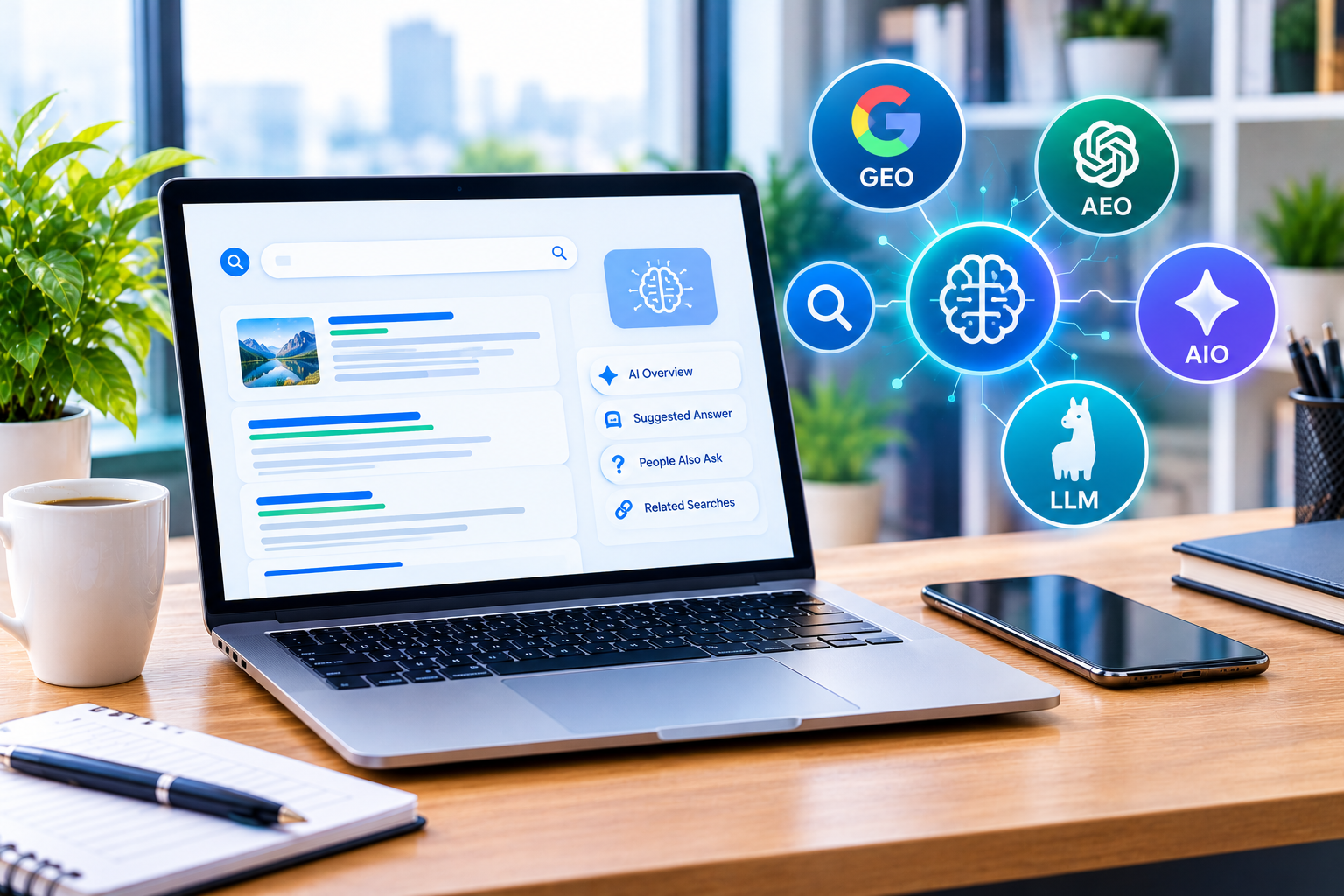
| Improve visibility in AI-powered search | GEO, AEO, AIO and LLM optimisation |
| Attract customers through online campaigns | Digital marketing |
| Send newsletters and promotional emails | Email marketing |
| Edit videos for a YouTube channel | YouTube video editing |
| Resolve hosting, domain or server issues | Hosting and technical support |
| Maintain a website’s functionality and security | Website maintenance and security |
| Increase visits or configure website monetisation | Traffic and monetisation support |
Where to Find Era24UK’s Website Traffic and Monetisation Services
If you are exploring support for website traffic or other digital services, the following public profiles and listing may help you investigate Era24UK’s online presence and review available information.
- SEOClerks profile: Era24UK on SEOClerks
- LinkedIn profile: Era24UK on LinkedIn
- Website traffic listing: 100K USA Organic Traffic listing
These links are starting points for reviewing publicly available information; they do not independently verify current service availability, traffic quality, advertising eligibility or expected results.
The traffic listing specifically relates to a website traffic offer. It should not be interpreted as a guarantee of monetisation approval, advertising revenue, search rankings or a particular business outcome.
Before ordering a service, contact the provider to confirm the current offer, pricing, delivery terms, traffic sources, targeting methods and any applicable restrictions. If your website uses an advertising or affiliate platform, check that the proposed traffic methods comply with that platform’s policies.
Final Thoughts
Website traffic and monetisation work best when they are part of a coordinated strategy. Attracting relevant visitors, publishing useful content, improving the user experience and choosing an appropriate revenue model can help your website develop into a more valuable business asset.
Begin by defining your primary goal. If you need more visitors, assess your search visibility, content and promotion channels. If you already receive traffic, investigate how visitors engage with your website and whether your monetisation model matches their needs.
Measure results carefully, protect the quality of your audience and avoid shortcuts that could damage your reputation or violate platform policies.
Most importantly, remember that sustainable growth takes time. By consistently improving your website and making informed decisions, you can create a stronger foundation for attracting visitors and generating revenue over the long term.
SEO Details
SEO Title: Website Traffic and Monetisation: A Complete Growth Guide
Meta Description: Discover practical ways to increase website traffic, attract relevant visitors, improve engagement and monetise your website sustainably.
Suggested URL Slug: website-traffic-monetisation-guide
Primary Keyword: Website traffic and monetisation
Related Keywords:
- Increase website traffic
- Website monetisation strategies
- Organic website traffic
- Website advertising revenue
- Google AdSense website optimisation
- Website traffic growth
- Affiliate marketing for websites
- Website revenue optimisation
- Improve website conversions
- Quality website traffic
Suggested Featured Image Concept
Create a professional digital marketing image featuring a modern laptop displaying an abstract website analytics dashboard with visitor graphs, traffic trends and revenue charts. Include subtle visual elements representing search engines, audience engagement and online growth. Use a clean, polished business aesthetic with realistic lighting and a balanced composition. Do not include readable text, brand logos or watermarks.


Leave a comment